The Statue of Liberty: The Gift That Transformed the New York Skyline in 1886

AI Image - Copyright © Realniistorii.com
The rainy October 28, 1886, in New York did not feel like a celebration; it resembled a gray, melancholic scene from a Victorian novel. In the harbor of Bedloe's Island, amidst thick fog, stood a giant figure wrapped in heavy tarpaulins, destined to change the New York skyline forever. President Grover Cleveland stood on the podium while hundreds of ships filled the bay with piercing sirens, yet the tension in the crowd did not stem from festive spirits. Beneath the surface of this historic event, which we now know as the Statue of Liberty, lay a decade-long struggle for survival, funding shortages, and political intrigue that nearly doomed the project.
At that moment, no one present suspected that the copper colossus, designed by Frédéric Auguste Bartholdi, had been on the verge of remaining a pile of disassembled parts in a warehouse, had it not been for the intervention of newspaper magnate Joseph Pulitzer. As rain streamed down the faces of the official guests, many wondered whether this “gift” from France was a symbol of eternal friendship or a heavy financial burden that the American nation had to bear. This is not just a story about a monument, but a tale of survival against all odds in the category of True Stories.
Chronicle of the Event: The Day the Copper Came to Life
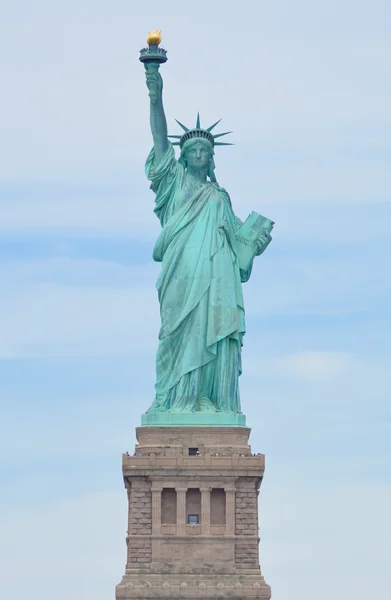
The official inauguration ceremony of the Statue of Liberty began at 12:45 PM, when Bartholdi, eager to see his life's work completed, pulled the rope to unveil the French tricolor from the statue's face. In that instant, instead of the expected grandeur, a deafening roar from the steamships in the harbor drowned out every speech. The psychological state of those present was a mixture of national pride and deep relief, as the project had been the subject of sharp criticism for years. President Cleveland himself, though reserved, acknowledged in his speech that the monument was a testament to the indomitable spirit of both nations, even though many in Congress had voted against funding the pedestal.
The engineering challenges faced by Gustave Eiffel's team were monumental, especially in assembling the internal iron frame, which had to withstand the strong winds of New York. Every element of the copper sheet, barely as thick as two pennies, had to be precisely mounted onto the skeleton to ensure stability. The workers, many of whom were immigrants, labored under dangerous conditions without modern safety equipment, exposed to the sea wind and the autumn cold. It was one of the most complex engineering feats of the 19th century, requiring not only technical genius but iron discipline.
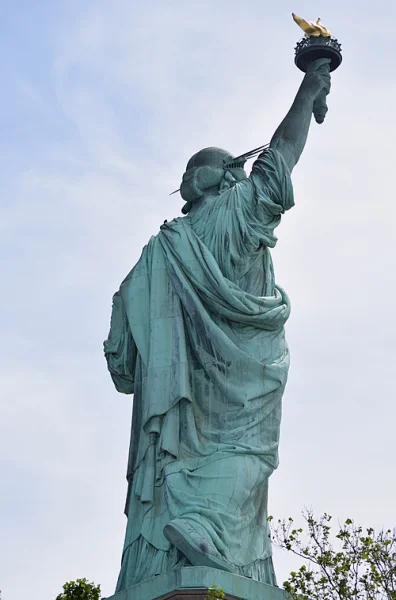
Although the event was planned as a grand spectacle, the weather proved to be the organizers' greatest enemy. The thick fog hid the statue from the view of thousands of New Yorkers gathered along the shores of Manhattan, leading to disappointment among the public. Nevertheless, the historical significance of the moment remains undeniable, as the Statue of Liberty became the first true beacon for millions of immigrants who would soon arrive in America. This day marked the beginning of a new era in American architecture and symbolism, which would be managed by institutions such as the National Park Service 1.
The Investigation and Hidden Clues: Financial Collapse
Behind the glamour of the opening lies one of the greatest financial dramas in the history of American monuments. While France funded the statue itself, America was responsible for building the pedestal, but funds were catastrophically insufficient. In the archives of the Statue of Liberty-Ellis Island Foundation, it is clear that in 1885, the project was halted due to a lack of capital. Joseph Pulitzer, through his newspaper “The World,” launched an aggressive campaign, calling on ordinary citizens to donate even a few cents to save the statue from the humiliation of being returned to Europe.
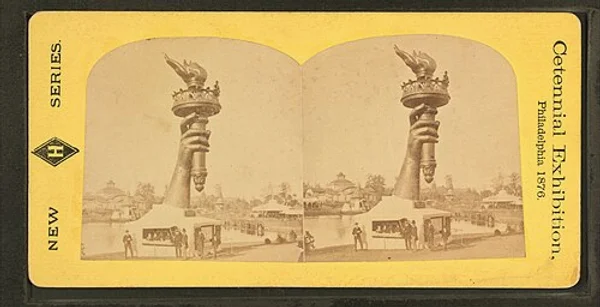
“We must not wait for the millionaires to save us, but show that liberty is a cause for each one of us, regardless of our social status or income.” – excerpt from an editorial by Joseph Pulitzer, published in “The World” in 1885.
This quote is not merely rhetoric, but proof of the desperation that reigned in the fundraising committee. An investigation of financial records reveals that over 120,000 people sent donations, most of which were less than one dollar. This evidence refutes the myth that the statue was easily funded by the state or wealthy patrons. In fact, it was built with the money of ordinary people, making it a true people's monument, rather than just a political gesture.
Strange discrepancies in the initial plans for the pedestal, designed by Richard Morris Hunt, show that it was changed several times on the fly to save costs. This led to constructive disputes between engineers and architects, which left traces in the official committee protocols. These documents reveal that if it were not for Pulitzer's persistence, New York would look completely different today, without its most recognizable symbol.
Clash of Hypotheses: Official Version vs. The Unspoken
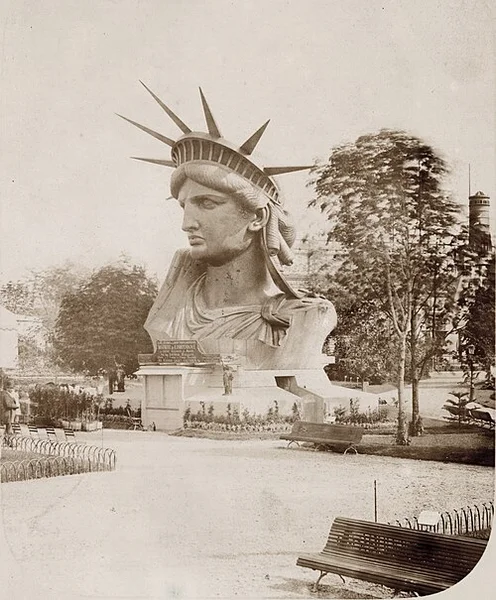
The official version of the Statue of Liberty often presents it as a flawless gift, accepted with open arms by the American government. Historical facts, however, tell a different story—one of deep division in society and the reluctance of Congress to allocate federal funds for a “foreign” monument. Many politicians at the time felt the monument was too French and not American enough, which led to long debates in the Senate. This resistance was so strong that there was even talk of moving the statue to Boston or Philadelphia, where local authorities had shown greater interest.
Another myth often circulated is that the statue was intended for Egypt, but due to a lack of funds, it was redirected to America. Although Bartholdi did indeed propose a project for a lighthouse in the form of a giant woman for the Suez Canal, it was a completely different conceptual design. Historians from the National Park Service are adamant that the Statue of Liberty was created specifically for America to mark the centennial of the Declaration of Independence, albeit with a ten-year delay. The confusion stems from the similarity in Bartholdi's style, but documents confirm these were two separate ideas.
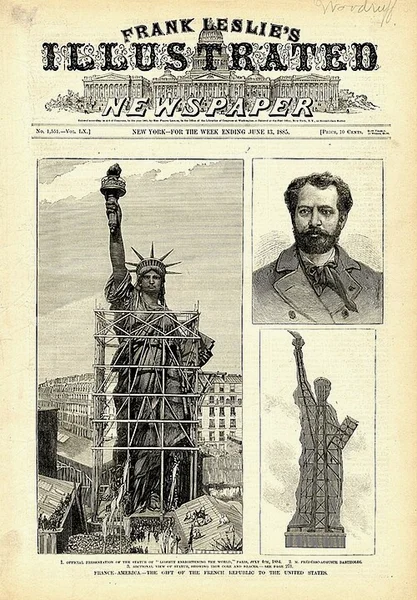
The controversies do not stop there; there are theories that the statue's construction was threatened by corrosion in the very first years after its opening. Although it looks eternal today, archives show that its maintenance required constant efforts, which were often neglected by federal authorities. This led to periods of neglect that were covered up in official reports to maintain the monument's image as an unshakable symbol of democracy.
Conclusion: Traces in Time and the Unclosed Page
After its opening in 1886, the Statue of Liberty became a silent witness to millions of human destinies passing through Ellis Island. It is not just copper and iron, but a mirror of the American dream, which for many began right under its gaze. Over the years, the monument has undergone numerous restorations, the most significant of which was in 1986, when the torch section was replaced and internal structures were reinforced. Today, it is under the strict control of the National Park Service, which ensures its preservation as part of the national heritage of the USA 3.
However, the question that remains hanging in the air is how much more of this monument's history remains hidden in unpublished private letters of the project's participants. Have we uncovered all the secrets surrounding the funding and political deals, or are there still documents waiting to be discovered in the archives of France and America? The Statue of Liberty continues to stand in the harbor, watching the changing world, as the sole witness to the efforts required to rise above the fog of that cold October morning.