


Forensic rigor and historical trial records
Examining historical crime requires analytical restraint rather than morbid spectacle. This category is dedicated to documented judicial proceedings, complex financial frauds, art forgeries, and cold cases that catalyzed the development of modern forensic science. We focus on physical evidence, investigative methods, and the judicial reasoning that unraveled deception.
At Real Stories, we reject gratuitous sensationalism. We study trial transcripts, police dossiers, and period press coverage to comprehend both the lapses and triumphs of legal systems. Crime is not entertaining mythology; it bears real human consequences for victims and societies.
The development of modern forensic methodology
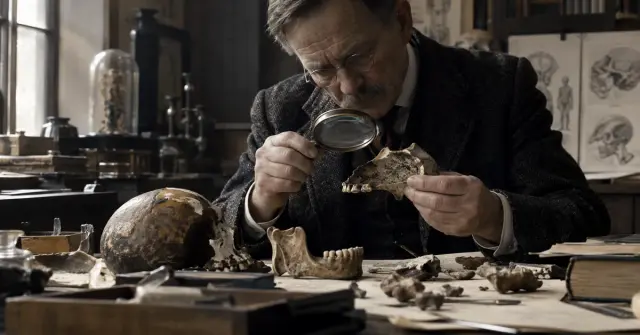
From early handwriting comparison and fingerprint classification to forensic ballistics, major criminal cases served as proving grounds for scientific detection. Frequently, resolution hinged upon meticulous archival work: an overlooked ledger discrepancy, a timeline inconsistency, or physical traces recovered at a scene.
Studying these investigations dispels romanticized folklore surrounding historical criminals, emphasizing instead the methodical labor of examiners and jurists.
Editorial distinctions
If an archival puzzle involves ancient manuscripts or archaeological finds without established offenses, consult “Mysteries”. For theories regarding institutional power and political secrecy, visit “Conspiracies”.
Explore judicial history through verifiable facts
We invite you to examine these documented criminal cases through authentic archival evidence that illuminates the evolution of justice.