
The Dancing Plague of Strasbourg: An Epidemic of Madness
AI Image - Copyright © Realniistorii.com
July 1518. The hot, stifling air over Strasbourg hung heavy as lead, but the silence of the cathedral square was shattered by a sound that chilled the blood. It was not music, but the rhythmic, dry thudding of bare feet against the sun-baked cobblestones. A woman, Frau Troffea, stepped out of her home and began to move with an unnatural, convulsive energy that knew no fatigue. Her eyes lacked reason; they were vacant, fixed on a point only she could see, while her body contorted under the dictates of an invisible conductor. Within hours, dozens—and later hundreds—gathered around her, swept up in this fatal dance that would remain in history as one of the mysteries that science cannot fully explain.
The sun passed its zenith, but the dancers did not stop even for a moment to take a sip of water. Their clothes were soaked in sweat, their feet bled, leaving crimson trails on the stones, yet they continued to spin in an agonizing rhythm. When one of them collapsed in a faint, the others stepped over the body without taking their eyes off the invisible beat that possessed them. This was no carnival; it was a genuine, lethal Dancing Plague of Strasbourg, turning the city into a stage for mass suicide while local authorities watched in horror, unable to halt the apocalyptic dance.
Chronicle of Horror: When the Body Betrays the Mind
The chronicles of the city of Strasbourg describe how, by the end of the first week, the number of dancers reached nearly forty people. The city council, driven by religious fear and a complete misunderstanding of the situation, decided that the only cure was more dancing. They hired musicians and built a wooden stage, believing that if the victims exhausted themselves completely, their "sin" would be redeemed and they would stop. This decision proved to be a fatal mistake, turning into a sinister social experiment that only fueled the fire of collective psychosis.
Days turned into weeks, and the dancers continued to writhe under the scorching sun. Some began to suffer from seizures, while others uttered incoherent curses, as if possessed by a force beyond human understanding. City archives contain records of people who literally died from heart failure, strokes, or complete physical exhaustion while their feet continued to make involuntary movements. The scene was saturated with the smell of sweat, decomposed blood, and the despair that drifted through the narrow streets of the city.
The doctors of the time, completely helpless, prescribed bloodletting and prayers, but nothing helped. People died before the eyes of their loved ones while the others continued their rhythmic movement, as if prisoners of eternity. No one dared to approach them, fearing that the contagion of movement might spread to them as well. The city was paralyzed, and the Dancing Plague of Strasbourg became the greatest nightmare of the 16th century.
The Investigation and Hidden Clues in the Archives
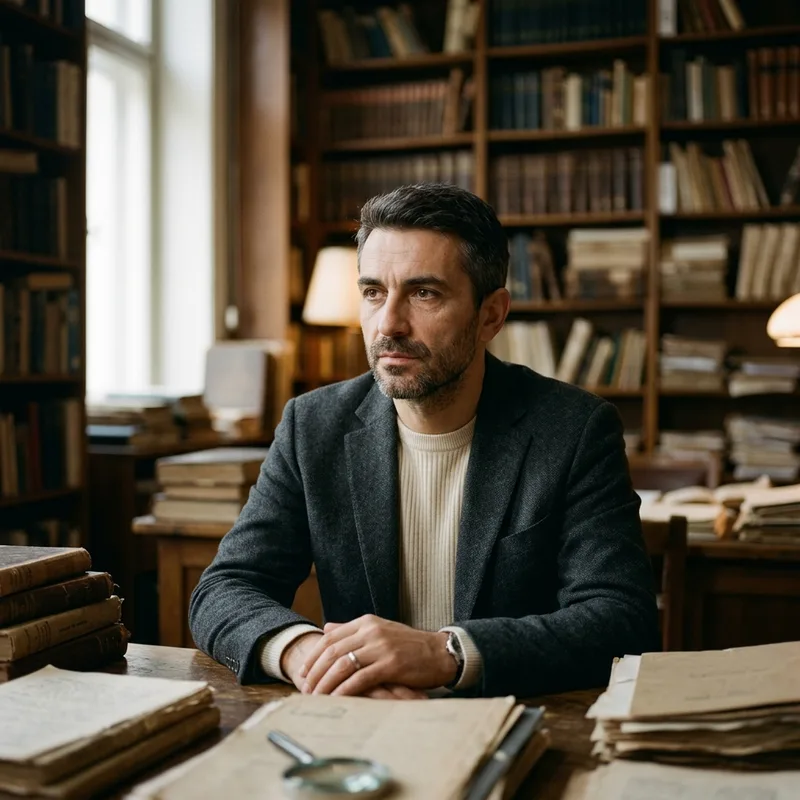
Investigating the events of 1518 requires deciphering the sparse but chilling documents kept in the Strasbourg City Archives. Protocols from that period show that city authorities were in a state of total panic, attempting to hide the scale of the catastrophe from neighboring provinces. There are discrepancies in the death toll—some sources speak of dozens, others mention hundreds, suggesting an attempt to censor information to prevent mass panic in the region.
One of the most shocking documents is the testimony of a survivor, whose words were recorded by a local chronicler. He described the state of the dancers with details that make one's skin crawl even after five centuries: "They were not people, but shadows driven by invisible threads. In their eyes, there was nothing human, only a void that swallowed every hope for mercy. The music they played seemed to come from the very stones beneath their feet, forcing them to move until the very end of their lives."
Physical evidence is scarce, as the corpses were buried in mass graves without thorough autopsies. However, modern researchers have discovered strange records regarding the spread of ergot in the area during that year. This is a fungus that infects rye and, when consumed, causes hallucinations, convulsions, and uncontrollable movements similar to those seen in the Dancing Plague of Strasbourg. Whether this is the sole cause of what happened, however, remains a subject of fierce debate among historians.
Clash of Hypotheses: Official Version vs. The Unspoken
Official science, represented by The Lancet Medical Journal, often attempts to reduce everything to mass psychogenic illness caused by extreme stress, famine, and religious hysteria. According to this thesis, the residents of Strasbourg, subjected to constant pressure from disease and poor harvests, succumbed to a collective illusion that triggered a hysterical dance. This theory sounds logical on paper, but it fails to explain the physical endurance required for weeks of continuous movement without food or water.
Controversies deepen when examining alternative archival data that suggest possible ergot poisoning in combination with other factors. If there was poisoning, why were the symptoms so specific and directed precisely toward dancing movements? Are there documents that were intentionally destroyed to cover up someone's guilt or a mistake in managing grain supplies? The questions remain unanswered because the archives are fragmented and often contradictory.
There is also a hypothesis regarding a cult that used narcotic substances to induce a trance state that spiraled out of control. This theory explains why authorities initially reacted with music, attempting to "cure" the dance with more dancing, which was a typical practice for rituals of that time to expel evil spirits. Regardless of the truth, the official conclusion seems like an attempt to put an end to a chapter of history that is too disturbing to be accepted as reality.
Resolution: Traces in Time and the Unclosed Page
After weeks of agony, the epidemic of the Dancing Plague of Strasbourg suddenly subsided, as if it had grown tired of its own cruelty. The survivors recovered slowly, but the memory of what they had seen remained sealed in the city's collective memory like an indelible scar. The buildings near where these events took place were subjected to thorough cleansing, but even today, locals avoid the square at certain hours, as if subconsciously fearing a repetition of the past.
The unclosed page of this mystery continues to intrigue the minds of historians who search for answers in dusty archives. Is it possible for human consciousness to be so easily manipulated by a combination of hunger, disease, and fear that it becomes an instrument of its own destruction? The question remains hanging in the air, reminding us that even in the most civilized times, the thin line between reason and madness can be crossed in seconds.